
AMR Genomics Research Group
School of Medical, Molecular and Forensic Sciences
Murdoch University, Australia
The AMR Genomics Research Group investigates the genomic epidemiology and mechanisms of AMR in microbial pathogens using whole-genome sequencing, advanced bioinformatics, and molecular approaches. Through this integrated framework, we uncover how resistance emerges and spreads - bridging microbiology, genomics, and public health.
Group Leaders
Dr Shakeel Mowlaboccus
Prof Geoffrey Coombs
Recent Research Highlights
Molecular Mechanisms of Daptomycin Resistance in S. aureus
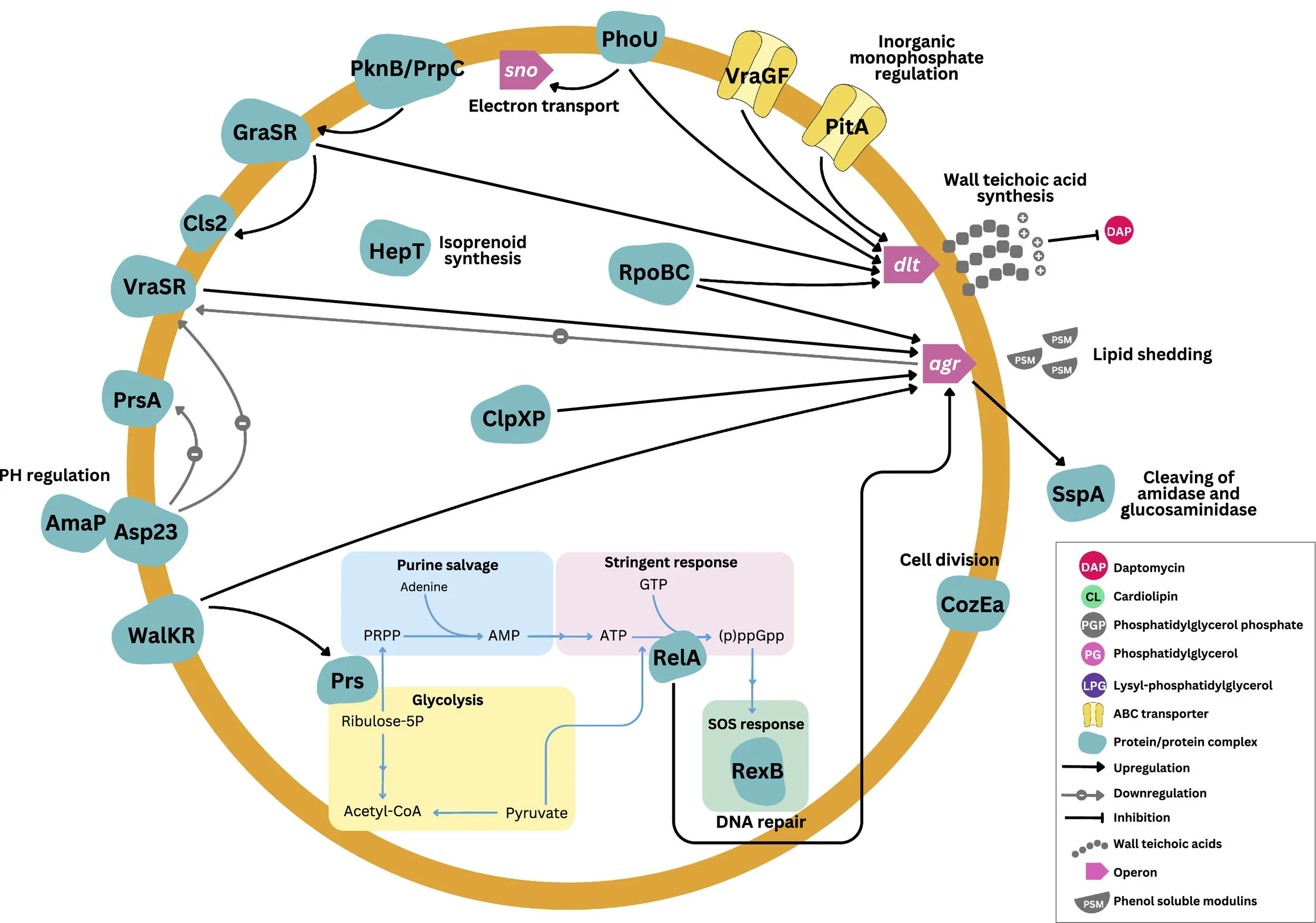
Daptomycin is a last-resort antibiotic used to treat infections caused by multidrug-resistant Gram-positive pathogens, including methicillin-resistant Staphylococcus aureus (MRSA). However, reports of daptomycin resistance in S. aureus are increasing globally. Resistance is commonly associated with alterations in membrane lipid composition, particularly through pathways regulating lysyl-phosphatidylglycerol synthesis controlled by two-component systems. In addition, peptidoglycan modifications may disrupt penicillin-binding protein activity, contributing to the daptomycin–β-lactam “see-saw” effect. Importantly, daptomycin tolerance—often observed in small colony variants and biofilms—can act as a precursor to the development of stable resistance.
Accurate identification of Enterococcus lactis causing bacteraemia by matrix-assisted laser desorption ionization-time of flight mass spectrometry
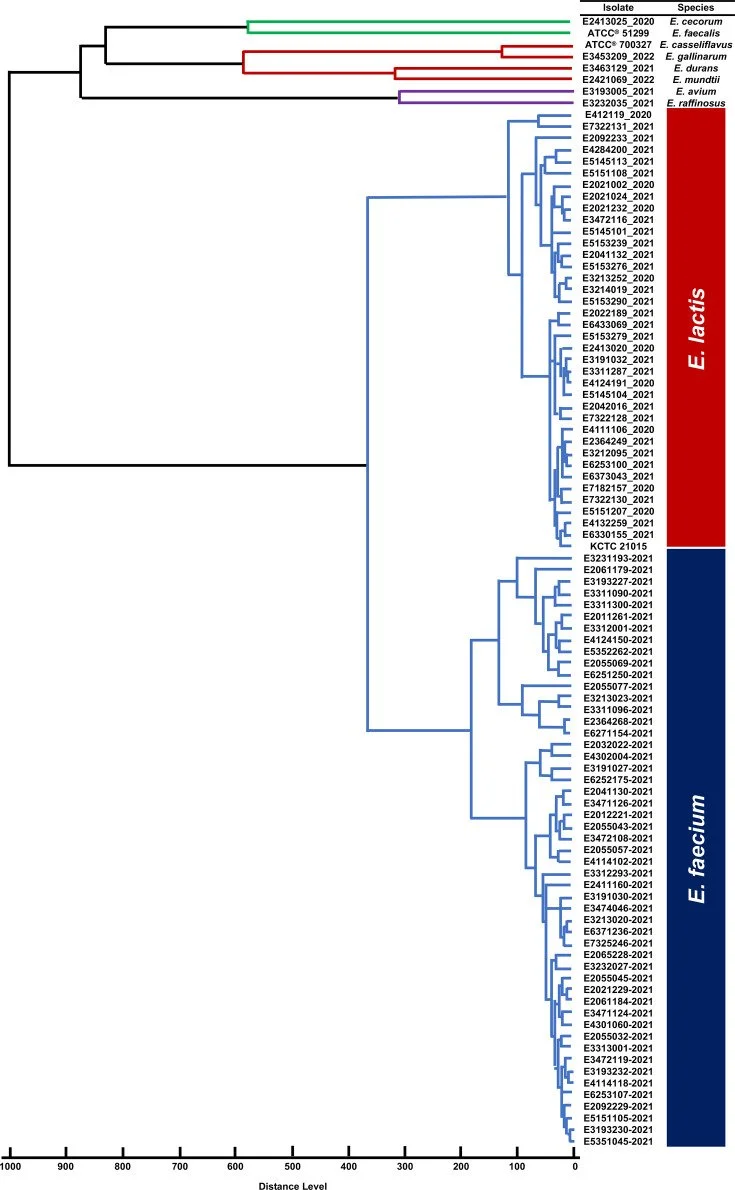
Following the reclassification of Enterococcus faecium clade B as Enterococcus lactis, accurate identification of this species has become increasingly important, particularly in clinical settings where it may be misidentified. In this study, a custom MALDI Biotyper® database was developed and validated using whole-genome sequence-confirmed isolates to enable rapid differentiation of E. lactis from E. faecium. The in-house database achieved 100% correct species-level identification, successfully distinguishing E. lactis isolates that were otherwise misidentified by standard commercial databases. This approach provides a practical and reliable tool for improving diagnostic accuracy in clinical and research laboratories.